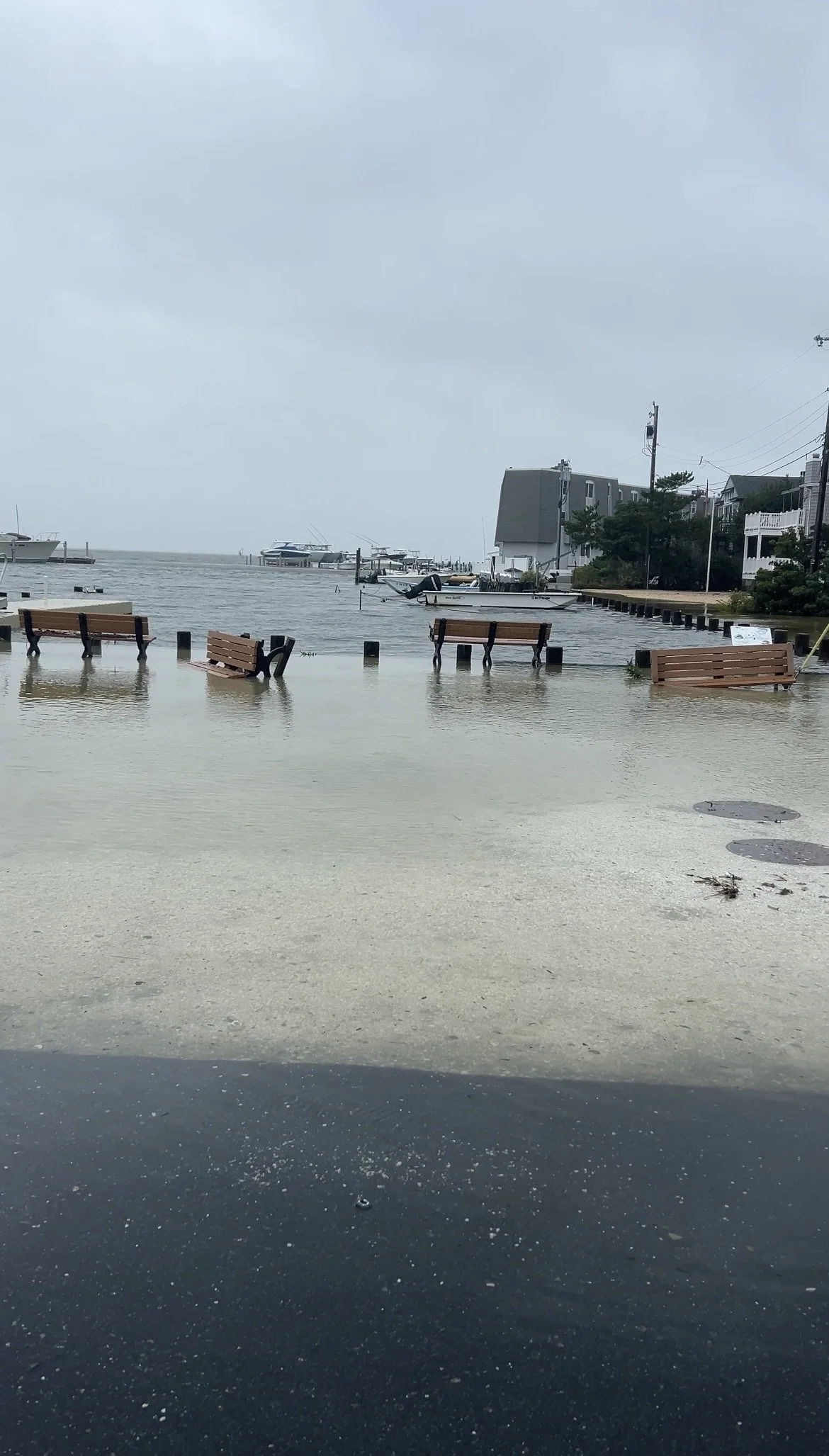
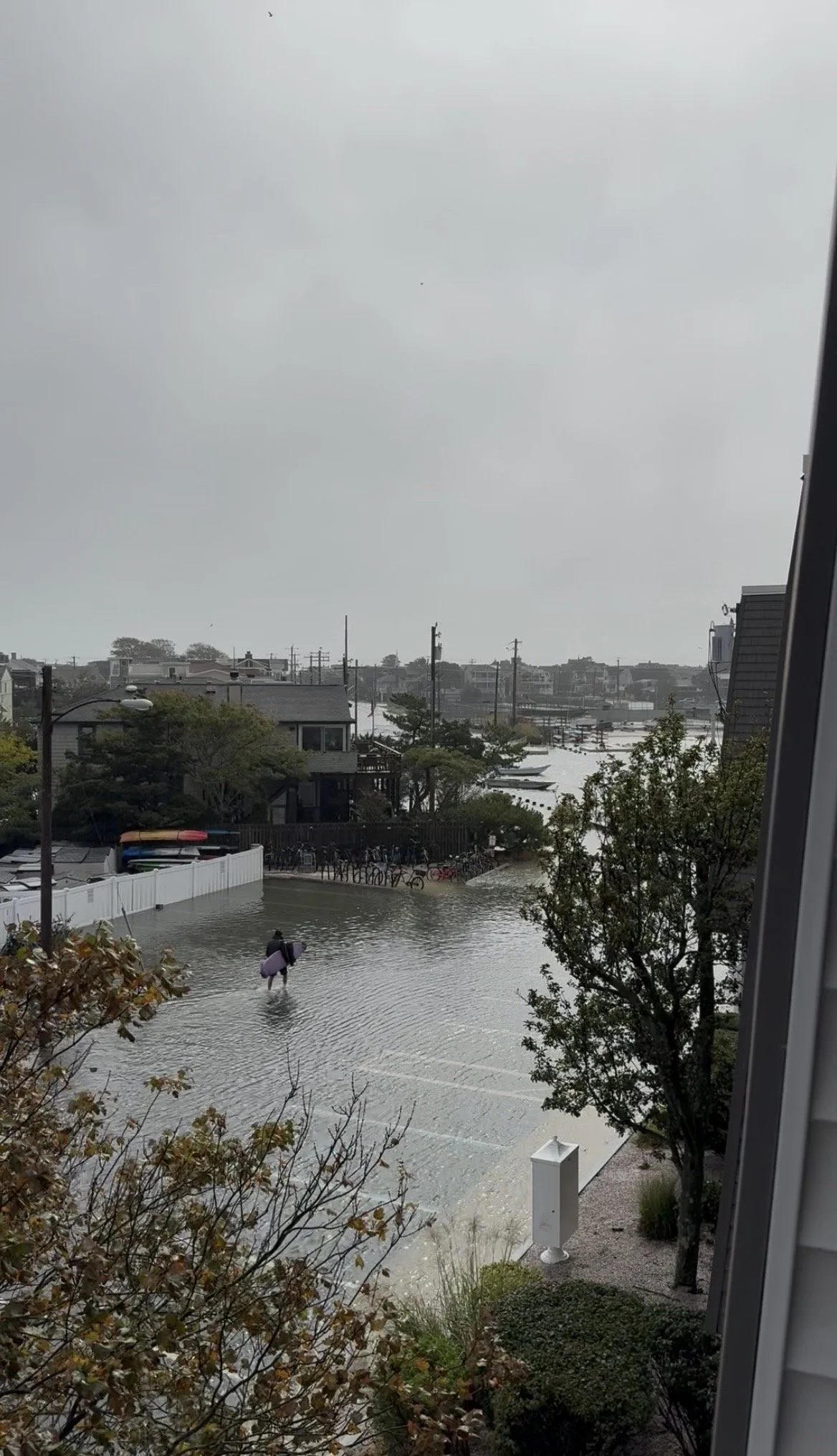
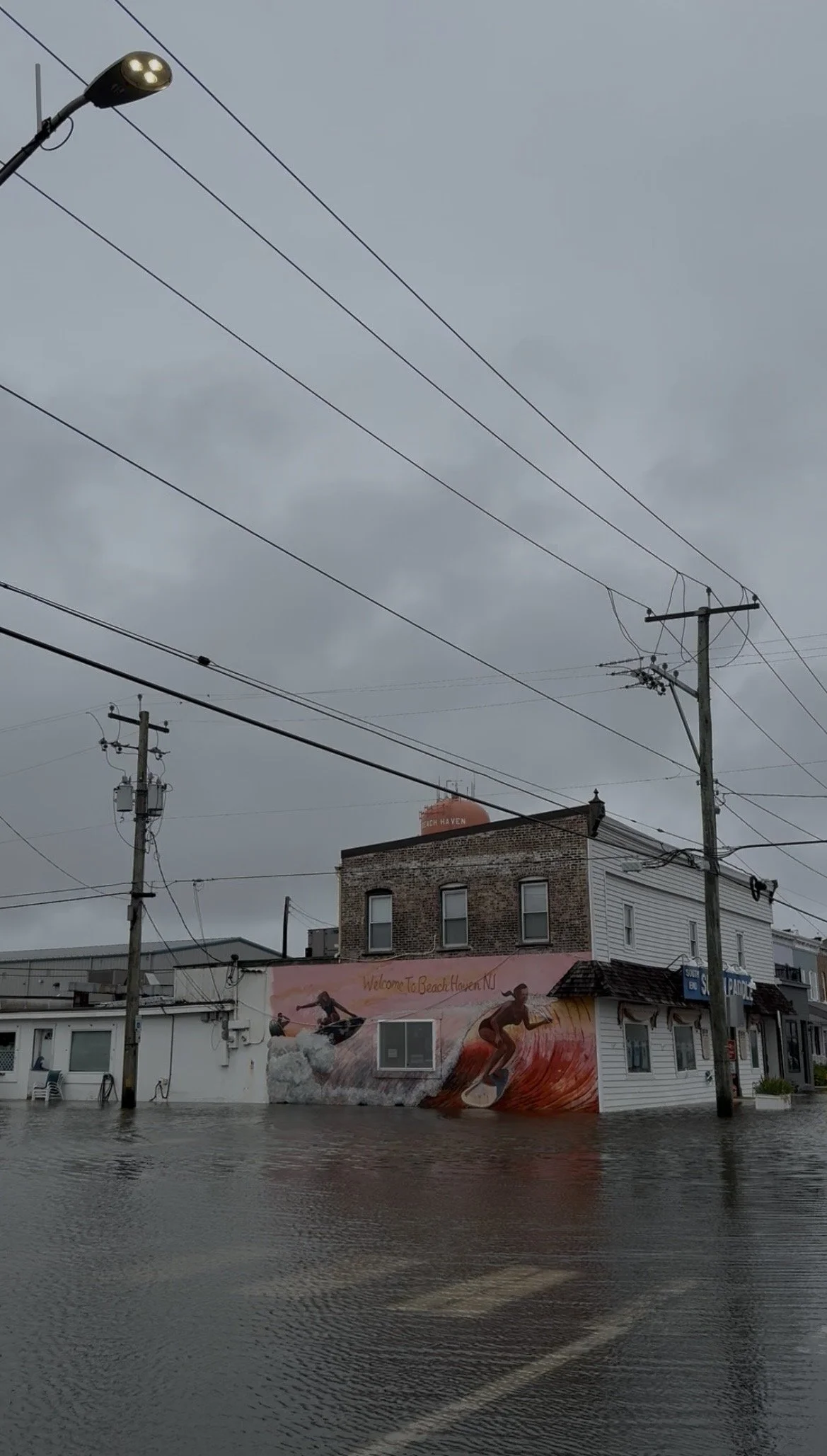
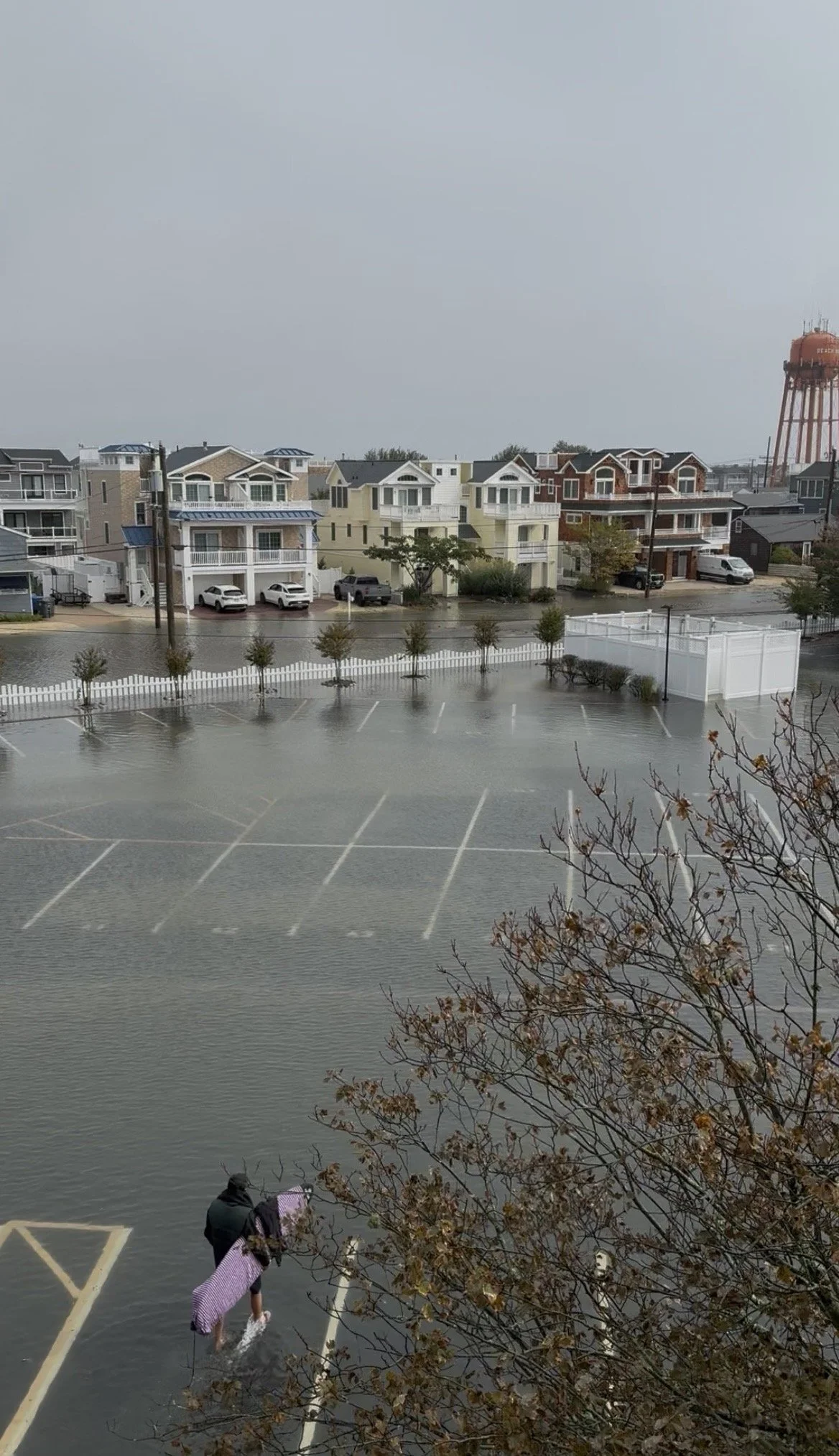
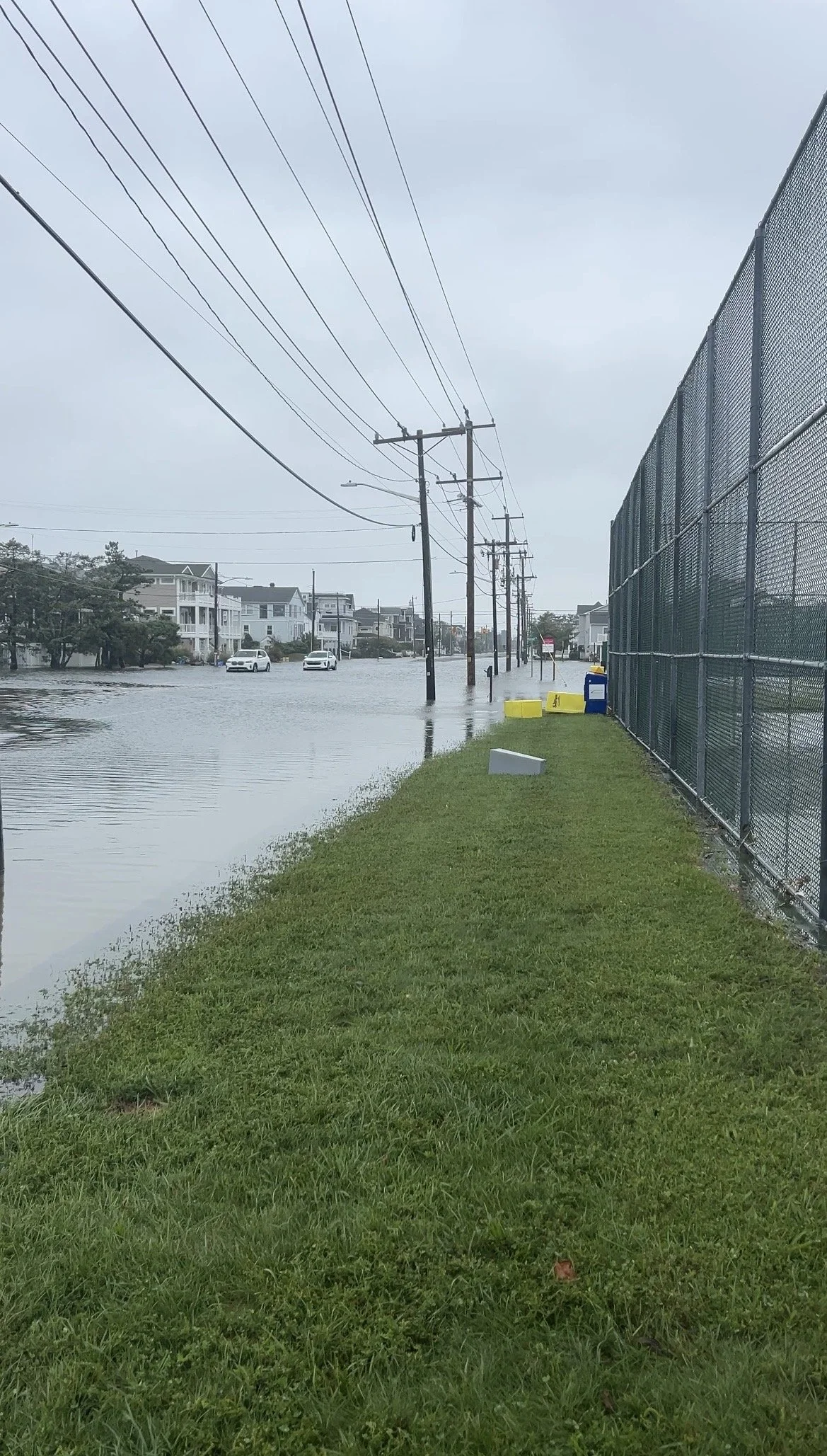
Living on Long Beach Island comes with beautiful beaches, waterfront views, and a lifestyle that makes this island so special. However, as the recent nor'easter reminded us, living on a barrier island also means living with the water.
The storm brought some of the worst coastal flooding since Superstorm Sandy, leaving roads underwater and creating challenges for residents, businesses, and property owners. While the flooding was extraordinary, it's important to keep things in perspective. Fortunately, this was not another Sandy, which brought far more destructive conditions and widespread devastation.
As someone who lives and owns on LBI year-round, I won't sugarcoat it. These situations can be incredibly stressful. Watching the water rise, wondering how high it might get, and worrying about potential damage is unsettling. I certainly experience that anxiety myself.
Understanding coastal flooding doesn't necessarily make these events less stressful, but knowing how flooding works, why properties are affected differently, and how homes have adapted can help minimize damage and avoid costly lessons.
Not All Flooding Is Created Equal
Significant coastal flooding doesn't necessarily require heavy rainfall. During this nor'easter, strong northeast winds persisted for days, pushing ocean water into Barnegat Bay and preventing it from draining normally between tides. With each successive high tide, water levels remained elevated, contributing to significant flooding across bayside neighborhoods and beyond.
Combined with the higher astronomical tides associated with the full moon, these conditions created an unusually severe event. It wasn't simply one high tide that caused the flooding, but the prolonged buildup of water over multiple days.
While the flooding was widespread, its impact varied considerably from property to property. There's a significant difference between water accumulating on a roadway, entering a yard, reaching a garage or crawlspace, and entering a home's finished living areas. Each presents different challenges and potential costs.
Even without water entering a home's living space, saltwater can contribute to mold growth and damage vehicles, electrical components, mechanical equipment, and belongings. Flooded roads can also make accessing a property difficult or unsafe.
While it can be a good indicator, a property's flood exposure cannot be determined solely by whether its surrounding streets flood. During an unusually severe event like this nor'easter, water extended across large portions of LBI, including many streets between the bay and Long Beach Boulevard. However, widespread street flooding doesn't automatically mean widespread structural damage. It also doesn't necessarily tell us how individual homes were affected or how frequently they might flood under more typical conditions.
Why Elevation and Construction Matter
Although LBI is relatively flat, ground elevation can vary between properties, even along the same street. These differences influence how water accumulates and moves during storms.
As older homes are replaced with new construction, some properties are graded or filled to raise the ground level. While this can reduce water accumulation on that lot, changes in grading can also redirect water toward neighboring properties or contribute to pooling in lower-lying areas. What benefits one property can sometimes create challenges for another.
Ground elevation is only part of the equation. The height of a home's living space, location of utilities, and construction also matter.
As building standards have evolved, newer homes increasingly feature elevated living areas and flood-resistant materials. However, garages, lower-level enclosures, vehicles, and mechanical equipment can still be vulnerable. An older home's flood exposure also depends on its individual characteristics, not simply its age.
Ultimately, two homes on the same street can experience the exact same storm very differently.
What Homeowners and Buyers Should Understand
A property's FEMA flood zone is important, but it doesn't tell the entire story. Elevation, construction, flood history, local storm drains, and the location of mechanical equipment all provide additional context.
Prospective buyers should review available elevation certificates, understand flood insurance requirements and costs, and ask questions about a property's history. It's also worth examining how the property is graded relative to neighboring lots.
For existing homeowners, storms like this are an opportunity to review insurance coverage, evaluate vulnerable belongings and equipment, and consider additional preparedness measures. Standard homeowners insurance generally doesn't cover flooding, making separate flood insurance coverage particularly important to understand.
These considerations won't eliminate the risks of coastal living, but they can help us better prepare.
Understanding the Island We Call Home
This isn't the first time Long Beach Island has experienced significant flooding, and it likely won't be the last. But it's important to recognize just how unusual this event was. Flooding of this magnitude is not something the island experiences every year, and fortunately, this storm did not bring the same widespread level of devastation as Sandy.
It's possible to love living/owning here while feeling overwhelmed when severe weather threatens our community. But nowhere is entirely without environmental risks. Parts of California face wildfires, the central United States experiences tornadoes, and coastal communities like LBI contend with flooding. The risks differ, but they exist everywhere.
What we can do is understand those risks, prepare accordingly, and make informed decisions about the properties we own or hope to purchase.
LBI has weathered major storms before and has always found a way to recover. This time will be no different. Much of the island has already returned to normal relatively quickly, even as some residents and businesses continue cleaning up and making repairs.
One of the things that makes LBI special is the resilience of its community. After storms like this, neighbors help neighbors, businesses work to reopen, and residents come together to get things back to normal. Recovery may look different for everyone, but that sense of community is something I've always appreciated about living here.
As I sat out surfing shortly after the storm, watching the sky light up as the sun began to set after a day of enjoying the island, it didn't take long to remember why I choose to call LBI home. Not because I'd forgotten the storm or the challenges it brought, but because moments like that remind me how fortunate I am to live in a place I consider one of the greatest in the world. Living here means respecting Mother Nature and understanding the risks, but to me, the privilege of calling this island home makes it all worthwhile.